Ashwagandha is one of the most popular herbs in Ayurveda and has become increasingly popular among people looking for natural ways to support their everyday wellness. Also known as Withania somnifera, Ashwagandha has traditionally been used in Ayurvedic practices for vitality, strength, and general wellbeing.
Today, Ashwagandha is available in several forms, including powder, capsules, tablets, and standardized herbal extracts. But what exactly is Ashwagandha, what are its potential benefits, and what should you consider before choosing an Ashwagandha supplement?
Let’s take a closer look.
What Is Ashwagandha?
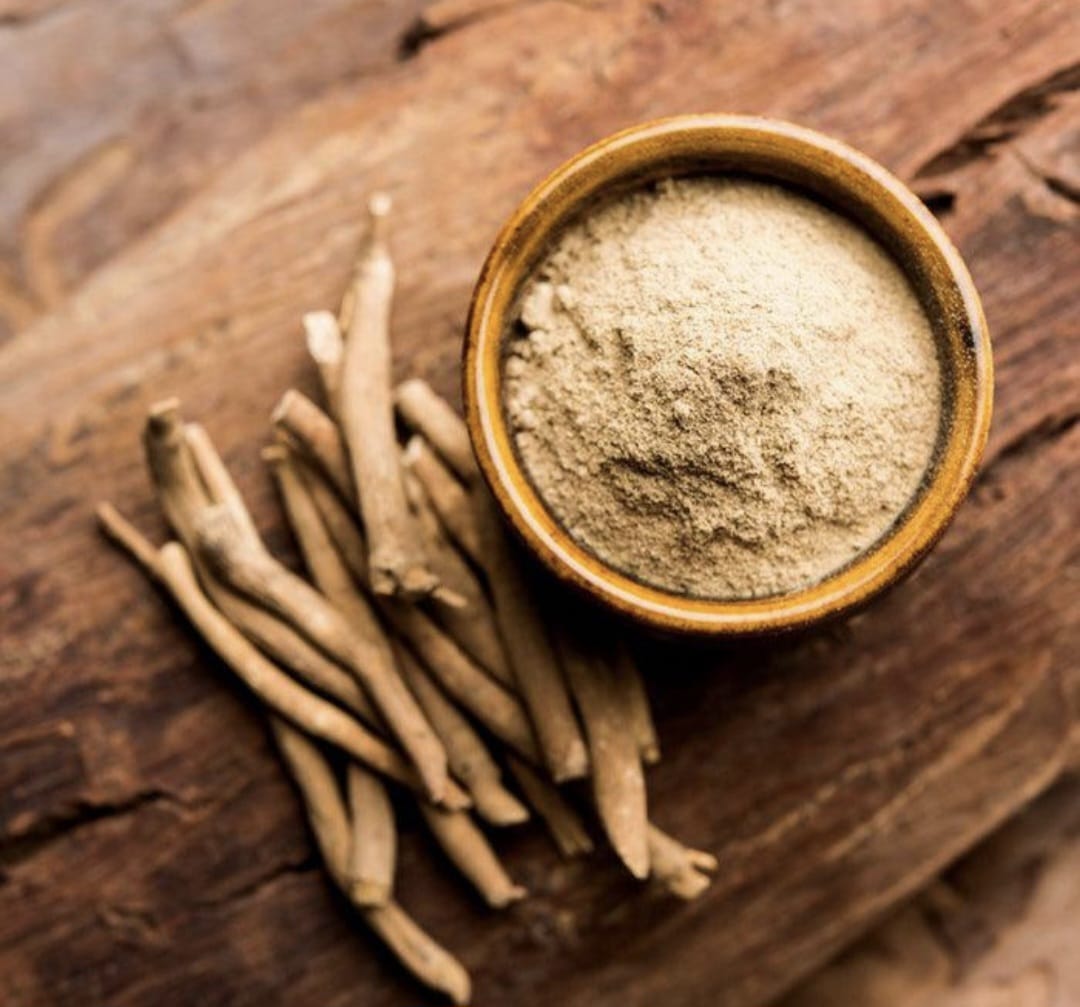
Ashwagandha is a traditional Ayurvedic herb belonging to the nightshade family. Its roots have been particularly important in traditional Ayurvedic preparations.
The name Ashwagandha is often associated with traditional descriptions of the herb’s characteristic smell and its historical use as a rejuvenating herb.
In modern wellness products, Ashwagandha is commonly available as a root powder or concentrated extract.
Potential Benefits of Ashwagandha
Ashwagandha has been traditionally valued for supporting overall wellbeing. Modern scientific research has also investigated several potential areas of interest.
1. Supports Stress Management
One of the most commonly researched uses of Ashwagandha is its potential role in managing everyday stress.
Some studies involving standardized Ashwagandha extracts have reported improvements in perceived stress and related measures. This is one reason Ashwagandha has become popular among people dealing with busy lifestyles, demanding work schedules, and everyday pressure.
However, individual responses can differ, and Ashwagandha should be considered part of an overall healthy lifestyle rather than a standalone solution.
2. May Support Sleep Quality
Getting enough quality sleep is essential for physical and mental wellbeing.
Research has explored whether Ashwagandha may support sleep quality and help people who experience occasional difficulties with sleep. Some studies have reported improvements in sleep-related measures among participants using certain Ashwagandha preparations.
Healthy sleep habits should still remain the foundation of good sleep.
3. Supports Physical Performance
Ashwagandha is also becoming popular among fitness enthusiasts.
Some research has investigated its potential relationship with strength, exercise performance, muscle development, and recovery, particularly when combined with resistance training.
A balanced diet, appropriate exercise, hydration, and adequate rest remain essential for achieving fitness goals.
4. Supports General Wellbeing
Traditionally, Ashwagandha has been used as a rejuvenating herb to support vitality and overall wellbeing.
Today, many people include Ashwagandha in their daily wellness routine as part of a balanced lifestyle.
How to Take Ashwagandha
Ashwagandha can be consumed in different forms, depending on the product.
Common options include:
- Ashwagandha powder
- Ashwagandha capsules
- Ashwagandha tablets
- Standardized Ashwagandha extracts
- Ayurvedic herbal formulations
The recommended serving can vary considerably between products because different extracts may have different concentrations.
Always read the product label and follow the manufacturer’s recommended serving rather than assuming that all Ashwagandha products have the same dosage.
Ashwagandha Powder vs Capsules
Choosing between Ashwagandha powder and capsules largely depends on personal preference.
Ashwagandha powder is a traditional-style option that can be mixed with water, milk, smoothies, or other foods according to the product instructions.
Ashwagandha capsules are convenient because they provide a pre-measured serving and are easy to take at home, work, or while travelling.
The most important factors are product quality, ingredient transparency, appropriate serving information, and reliable manufacturing practices.
When Should You Take Ashwagandha?
There is no single time that is ideal for everyone.
Some people prefer taking Ashwagandha earlier in the day, while others prefer taking it in the evening as part of their nighttime routine.
The appropriate timing depends on the product and your individual response. Follow the manufacturer’s instructions and maintain consistency.
If you experience drowsiness or any unwanted effects, consider stopping the supplement and discussing its use with a healthcare professional.
How to Choose the Best Ashwagandha Supplement
With so many products available, selecting the right Ashwagandha supplement can be confusing.
Here are some important factors to consider:
Check the Ingredient Label
The product should clearly state the amount of Ashwagandha provided per serving.
Look for Extract Information
If the product contains an extract, check whether the manufacturer provides information about the extraction process and standardization.
Choose Transparent Manufacturers
Look for clear information about the manufacturer, ingredients, serving size, batch details, and applicable quality standards.
Check Additional Ingredients
Read the complete ingredient list to identify sweeteners, fillers, preservatives, allergens, or other ingredients that may be included.
Don’t Choose Only on Price
A cheaper product is not necessarily a better product. Compare ingredient quality, formulation, serving size, manufacturing standards, and transparency before purchasing.
Possible Ashwagandha Side Effects
Although many people tolerate Ashwagandha well, some individuals may experience unwanted effects.
Possible side effects can include:
- Stomach discomfort
- Nausea
- Loose stools
- Drowsiness
Ashwagandha may also interact with certain medicines and may not be suitable for everyone.
People who are pregnant or breastfeeding, have certain medical conditions, or regularly take medication should consult a qualified healthcare professional before using an Ashwagandha supplement.
Frequently Asked Questions
Is Ashwagandha good for stress?
Research suggests that certain standardized Ashwagandha preparations may help support the body’s response to everyday stress. However, individual results vary.
Can Ashwagandha be taken daily?
Some products are intended for daily use when taken according to their recommended serving. Always follow the instructions on the specific product you purchase.
Is Ashwagandha powder better than capsules?
Not necessarily. Powder and capsules are simply different formats. Product quality, formulation, extract concentration, and manufacturing standards are more important factors.
How long does Ashwagandha take to work?
There is no guaranteed timeframe. Studies have used different Ashwagandha preparations and durations, and individual experiences can vary.
Who should avoid Ashwagandha?
People who are pregnant or breastfeeding, have certain medical conditions, or take regular medication should consult a healthcare professional before using Ashwagandha.
Can Ashwagandha replace medicine?
No. Ashwagandha should not replace prescribed medication or professional medical treatment.
Conclusion
Ashwagandha is a traditional Ayurvedic herb that has gained significant popularity in modern wellness. Research has explored its potential benefits in areas such as stress management, sleep quality, physical performance, and general wellbeing.
If you’re considering adding Ashwagandha to your daily routine, choose a product with clear ingredient information, appropriate serving instructions, and reliable quality standards.
Most importantly, remember that supplements work best as part of a healthy lifestyle that includes nutritious food, regular physical activity, adequate sleep, and good daily habits.
Choose your Ashwagandha supplement carefully and always use it according to the product instructions.
Disclaimer
This content is intended for general educational purposes and does not constitute medical advice. Ashwagandha is not intended to diagnose, treat, cure, or prevent any disease. Consult a qualified healthcare professional before using dietary supplements, especially if you are pregnant, breastfeeding, taking medication, or have an existing health condition.